




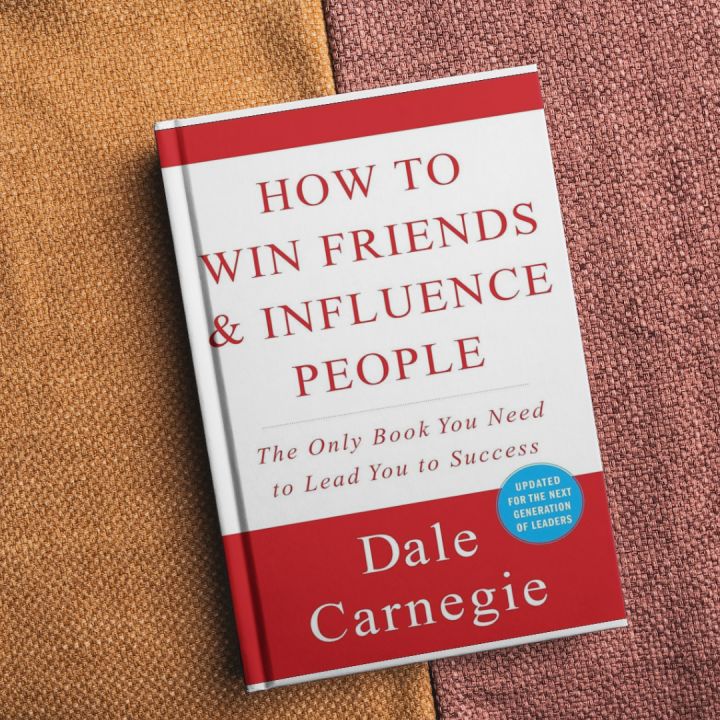


Dale Carnegie’s *How to Win Friends and Influence People*, first published in 1936, remains one of the most influential self-help books ever written. With millions of copies sold worldwide, its core message is simple yet powerful: success in life—whether in business, relationships, or personal growth—depends more on how you treat people than on technical skills alone. Carnegie, drawing from real-life stories and his own public speaking courses, teaches that genuine empathy, respect, and positive interaction are the keys to building lasting connections and gently guiding others toward your ideas. In today’s fast-paced, digital world of 2026, these principles feel more relevant than ever amid remote work, social media interactions, and polarized conversations. This article breaks down the book’s main sections with key principles, practical examples, and modern applications to help you apply them today.
Part 1: Fundamental Techniques in Handling People
Carnegie starts with the basics of human interaction: avoid negativity and focus on positives. These three principles form the foundation for everything else.

Principle 1: Don’t Criticize, Condemn, or Complain
Criticism rarely changes behavior for the better—it usually makes people defensive and resentful. Carnegie quotes Benjamin Franklin: “Any fool can criticize, condemn, and complain—and most fools do.” Instead of pointing out faults, understand that people act from their own perspective and emotions. Modern example: In a team meeting, rather than saying “Your report is full of errors,” try “I appreciate the effort you put in—let’s refine a few sections together for even stronger impact.” This approach builds trust instead of resentment.
Principle 2: Give Honest and Sincere Appreciation
Everyone craves genuine recognition. Carnegie emphasizes that honest praise is one of the strongest motivators. Avoid flattery—make it specific and heartfelt. Example: Tell a colleague, “Your presentation last week was clear and engaging; it really helped the team understand the project goals.” In 2026, quick LinkedIn shoutouts or Slack kudos can amplify this principle digitally.
Principle 3: Arouse in the Other Person an Eager Want
The only way to truly influence someone is to talk about what they want and show how your idea helps them get it. Carnegie says, “The only way on earth to influence other people is to talk about what they want and show them how to get it.” Sales tip: Instead of pushing a product, highlight benefits like “This tool saves you 2 hours a day on reports—imagine what you could do with that extra time.”
Part 2: Six Ways to Make People Like You
These habits help you become more approachable and likable in any setting.
1. Become Genuinely Interested in Other People
Shift focus from yourself to them. Ask questions, listen actively, and show curiosity. Carnegie notes that people are more interested in their own lives than in yours—tap into that.
2. Smile
A warm, sincere smile is universally welcoming. Even in virtual meetings via Zoom or Teams, a genuine smile through the camera builds rapport instantly.
3. Remember That a Person’s Name Is the Sweetest Sound
Use names often and correctly—it makes interactions personal. In networking events or emails, addressing someone by name (“Hi Sarah, great to connect”) stands out.
4. Be a Good Listener—Encourage Others to Talk About Themselves
People love talking about their interests. Practice active listening: nod, maintain eye contact, and ask follow-ups like “What inspired that idea?”
5. Talk in Terms of the Other Person’s Interests
Find common ground. If someone loves hiking, steer conversation there instead of your own hobbies.
6. Make the Other Person Feel Important—Do It Sincerely
Everyone wants to feel valued. Compliment efforts sincerely, show respect, and avoid one-upmanship.
Part 3: How to Win People to Your Way of Thinking
These 12 principles focus on persuasion without conflict.
Key highlights: Avoid arguments (the only way to win one is to avoid it), show respect for opinions (“You may be right”), admit your mistakes quickly, begin friendly, get “yes” early, let others talk, let them own the idea (“Was this your suggestion?”), see things from their view, appeal to nobler motives, dramatize ideas, and throw down a challenge.
Example: In negotiations, start with “I understand your concern about budget—here’s how this fits within it” instead of pushing your view aggressively.
Part 4: Be a Leader—How to Change People Without Giving Offense
For leadership roles, start with praise, call out mistakes indirectly, talk about your own errors first, ask questions instead of orders, let others save face, praise improvement, give a fine reputation to live up to, use encouragement, make faults seem easy to correct, and make the other person happy about doing what you suggest.
Modern application: In performance reviews, lead with “You’ve done great work on X—let’s build on that” before addressing improvements.
Why These Principles Still Work in 2026
In an age of AI, remote teams, and short attention spans, Carnegie’s emphasis on empathy and human connection cuts through the noise. Whether networking on LinkedIn, leading Zoom calls, or building offline relationships, focusing on others first creates trust and influence naturally. Studies in psychology continue to back these ideas—positive reinforcement works better than criticism, and feeling valued boosts motivation.
Conclusion
*How to Win Friends and Influence People* isn’t about manipulation—it’s about authentic, positive human interaction. Start small: smile more, listen actively, use names, and give sincere praise today. Over time, these habits transform relationships, boost careers, and make life more enjoyable. As Carnegie says, “The deepest principle in human nature is the craving to be appreciated.” Apply these timeless lessons, and watch your influence grow naturally. Ready to try one principle this week? Pick one and see the difference—it might just change everything.